
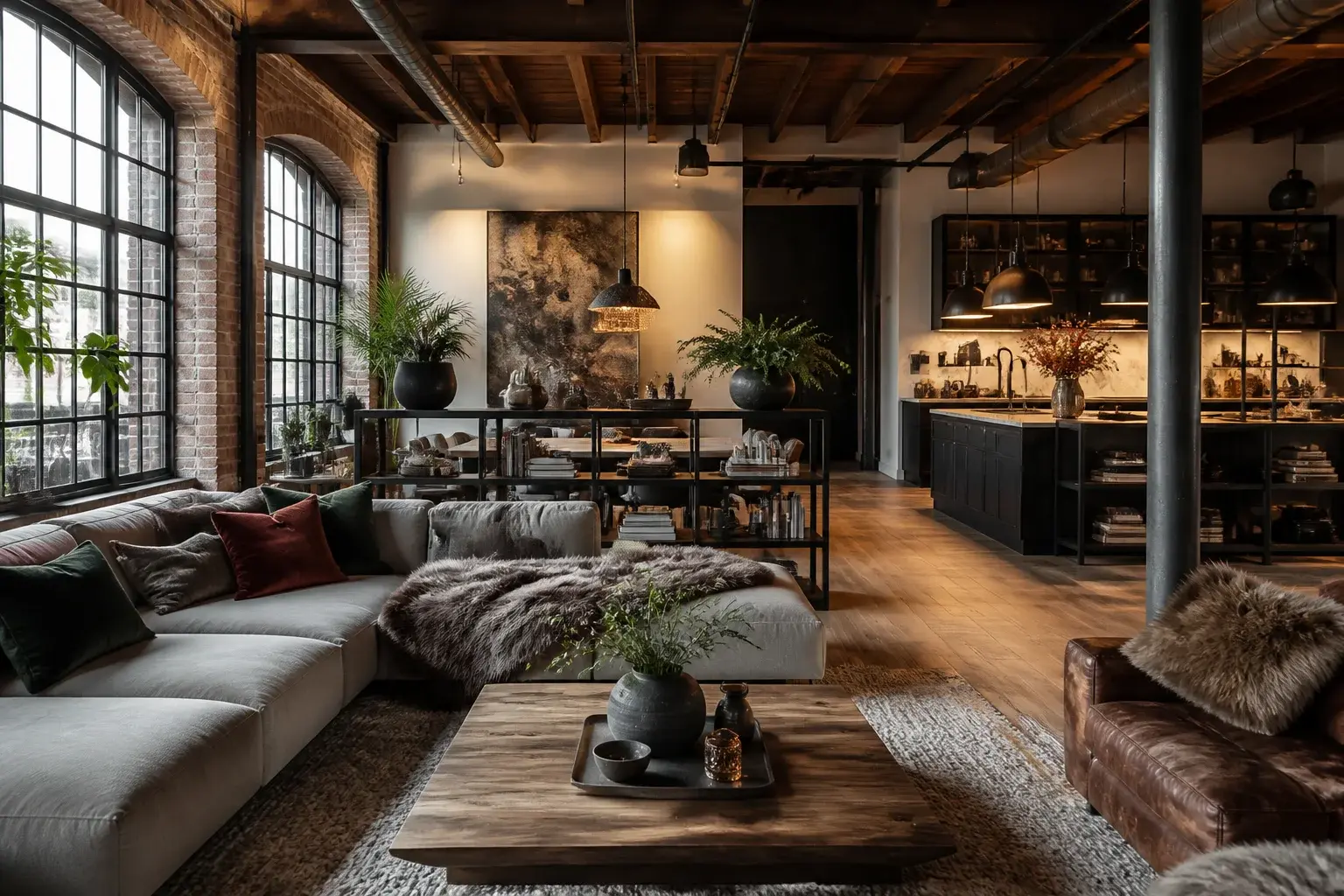
A loft is not just a space; it’s a blank, boxy playground begging for personality. If you’ve got brick, beams, and those wide-open vibes, you’re already halfway there. Let’s turn that airy canvas into a home that feels lived-in, not like a showroom.
Maximize the Open Feeling Without Losing Your Stuff
Loft living loves air, light, and space. The trick is to respect the openness while carving out zones you actually use. Start with zoning that doesn’t slam doors in your face.
- Use furniture as room dividers—think a low bookshelf or a sofa with a clear line of sight to the kitchen.
- Keep pathways wide. Aim for at least three feet of breathing room in high-traffic areas.
- Control light with layered options: sheer curtains for daytime privacy, and bold lamps for nighttime drama.
Layer Textures Like a Chef Layers Flavors
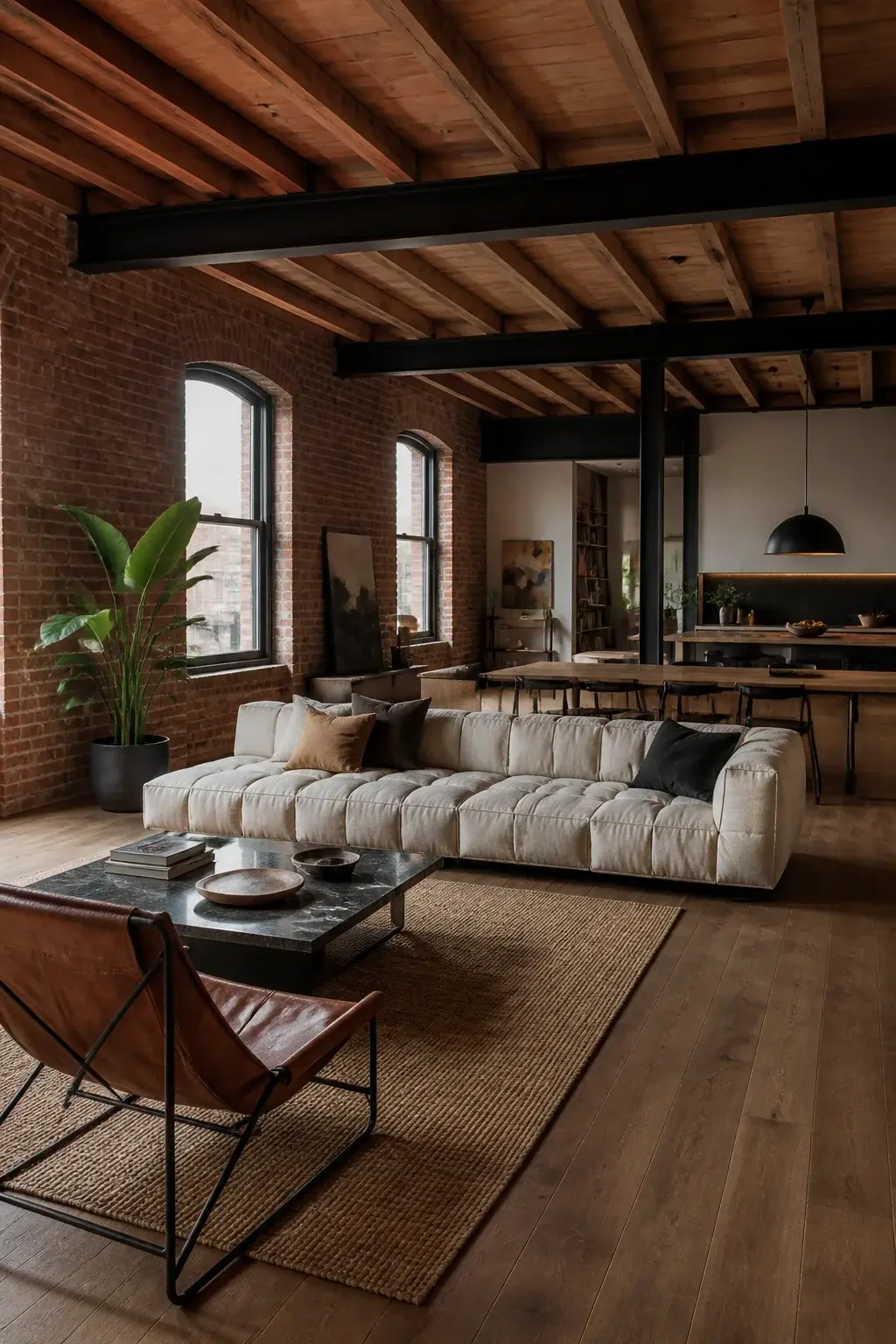
Texture is the secret sauce that makes a loft feel cozy. You’ve got industrial bones; now give it warmth with textiles, rugs, and a mix of surfaces.
Texture quick wins
- Invest in a statement rug to anchor a living area—think tactile wool or a bold pattern.
- Add throw blankets and cushions in varied fabrics: velvet, boucle, linen, faux fur.
- Pair metal and wood with soft textiles to bridge the gap between lofty and livable.
Color psychology for lofts
FYI: lofts can swallow color, so plan thoughtfully.
- Neutrals with a pop: go with warm whites, beiges, or greige as a base.
- Then drop in a bold accent hue—emerald, burnt orange, or electric blue—as artwork, a sofa, or a single dramatic chair.
- Don’t overdo it: two to three bold tones max keep it cohesive.
Let the Floors Do Some Heavy Lifting
In a loft, flooring isn’t just a surface—it’s a character. From polished concrete to reclaimed wood, your floor sets the tone before you even sit down.
- If you’ve got concrete, soften it with large-area rugs in warm textures.
- Wood adds warmth but can clash with industrial vibes. Balance with metal accents and soft fabrics.
- Consider area zones through floor treatments: a warmer rug under the dining area, cooler concrete under the desk corner.
Lighting: Not Just Something You Turn On
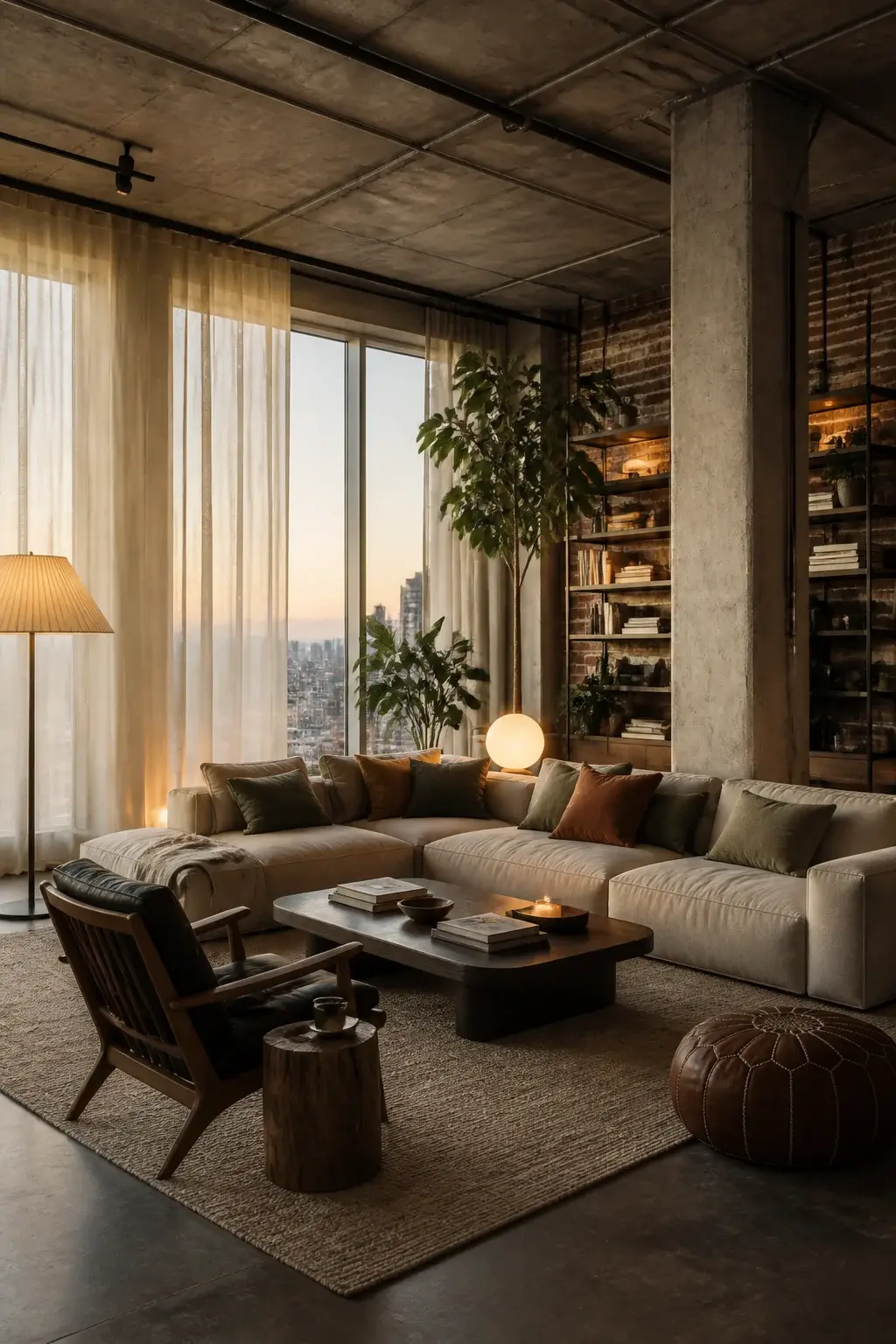
Lighting in a loft should sculpt space, mood, and focus. Good lighting beats a single overhead glare any day.
Three-layer lighting formula
- Ambient: an overall glow that doesn’t blind you (think floor lamps and ceiling fixtures with diffusers).
- Task: dedicated lights for cooking, reading, and desk work.
- Accent: highlight architectural features—brick walls, a quirky sculpture, or a hanging plant.
Pro tip: install dimmers. They transform a space faster than a new coffee machine. IMO, nothing beats a sunset-friendly glow when you’re winding down.
Storage That Doesn’t Cramp the Vibe
Lofts thrive on air, not clutter. Smart storage is your best friend—think vertical, think hidden, think multipurpose.
- Utilize tall bookcases, mezzanine nooks, and under-bed drawers to hide the chaos.
- Choose furniture with built-in storage—ottomans, storage benches, and coffee tables with drawers.
- Gallery walls can store memories as well as photos—keep frames lightweight and swap them out seasonally.
Personalize Without Punning the Space
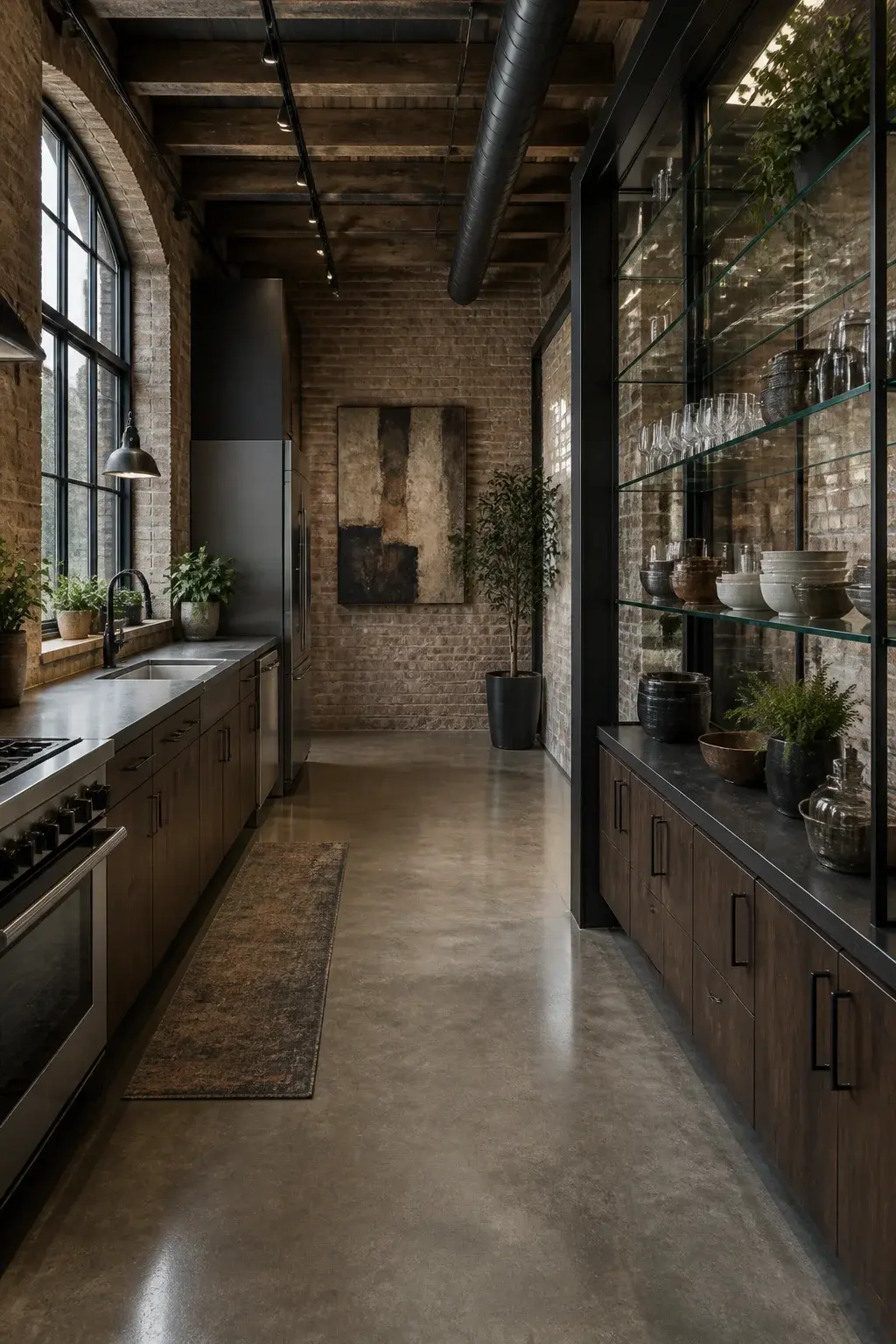
Your loft should feel like you, not like a showroom. Show off travel finds, favorite prints, and the odd quirky piece that makes guests smile.
- Create a rotating art wall: frames you can swap out with ease, keep the space fresh.
- Lean into mismatched chairs for character—let practical decisions be playful sometimes.
- Display plants—tall ones in the corners, small ones on shelves—to bring life into the industrial edges.
Sectional vs. Sofa: Choosing the Right Seating
Seating is where the party happens, so choose wisely. A loft can swallow big furniture, which isn’t always a good thing.
- A sectional anchors a large living area and creates cozy zones without walls.
- If your space leans more “studio apartment with a dream,” a sofa plus a pair of comfy chairs can create a lively chat triangle.
- Choose low-profile pieces to keep sightlines open; you want to see the brick, not the back cushions.
Small Details That Make a Big Difference
The little things finish a loft with personality. Don’t skip them.
- Hardware and fixtures: matte black or brass accents tie industrial elements together.
- Art lighting: picture lights or small spotlights for favorite frames.
- Scent and sound: a candle or diffuser and a speaker for a cozy soundtrack to your life.
Deeper dive: creating a cohesive palette
– Start with a dominant base: warm neutrals or cool grays.
– Pick two accent colors that echo in textiles and artwork.
– Tie in metallics in a few spots to complement the industrial bones.
– Test swatches on a wall before committing—trust the vibe, not the brochure.
FAQ
Is it better to keep an open kitchen or close it off in a loft?
Open kitchens keep the energy flowing in an airy loft and make the space feel larger. If you worry about cooking splatters, use a stylish divider, such as a rolling island or a shelf that doubles as a partial wall. The key is to maintain sightlines while giving yourself a functional cooking zone.
How can I make a loft feel cozy without losing the industrial vibe?
Textiles do most of the heavy lifting here. Layer rugs, throws, and cushions in warm textures. Add soft lighting with dimmers, and bring in wood tones and plush seating to counterbalance metal and concrete. FYI, a warm glow goes a long way with tall ceilings and echoing spaces.
What are smart storage ideas for a small loft?
Go vertical: tall bookcases, wall-mounted storage, and hanging organizers make the most of wall space. Use multi-purpose furniture—ottomans with hidden storage, bed frames with drawers, and wall desks that fold away when not in use. The goal is to keep floor space open and flexible.
How do I decorate for sound in an open loft?
Soft surfaces absorb sound. Layer rugs, add upholstered seating, and incorporate acoustic panels or wall hangings that double as art. Plants also help dampen noise a bit, plus they look great.
Can I mix modern and vintage in a loft without it looking chaotic?
Yes. The secret is a unifying thread—shared materials or a consistent color palette. If your sofa is modern, pair it with vintage lighting and a retro rug that shares a tone or texture. It’s all about balance, not sameness.
Conclusion
Loft living is a game of balance: light and shade, industrial bones and cozy rooms, open space and intentional corners. Start with a plan that respects the space’s architecture, then layer in texture, color, and storage until it feels like you, minus the cluttered corners. If you’re ever stuck, remember: furniture is paint for space, and lighting is the brush. You’ve got the blueprint; now make it sing. IMO, the best part is that you can change it tomorrow with a few swaps and a bold accessory. Happy decorating!