
I’ve lived in enough apartments to know one thing for sure: scent sells first impressions. If your place smells fresh, it feels bigger, cleaner, and more welcoming. Let’s ditch the stale vibes and turn your apartment into a fragrance-friendly haven—without renting a parfum squad.
Start with the Basics: Real Clean, Real Fast
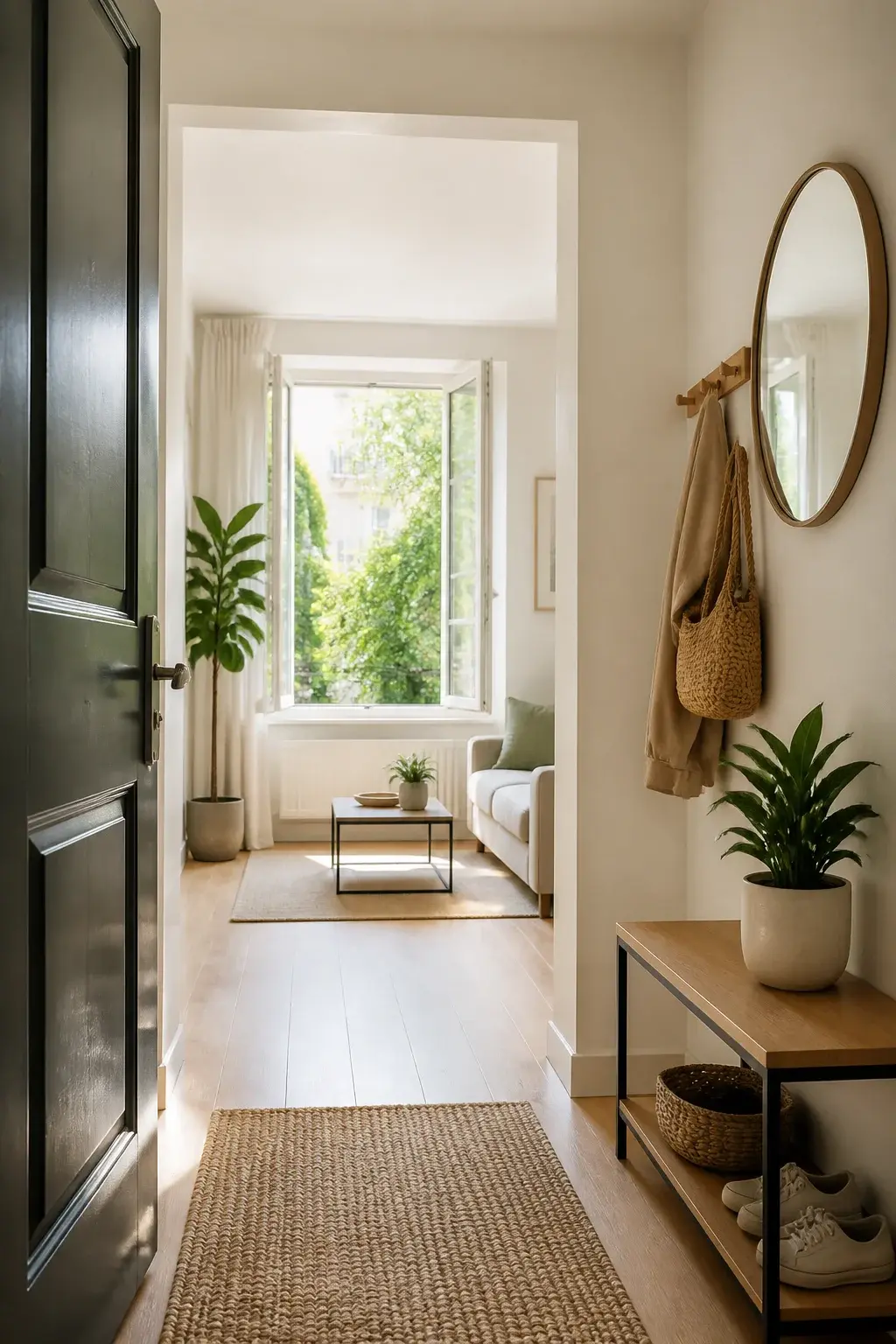
You wouldn’t bake a cake in a dirty oven, right? Same logic applies to smell. A clean slate makes any aroma happier.
– Do a quick declutter sprint. Less junk = less hiding spots for odors.
– Tackle the obvious offenders: trash, laundry, dirty dishes. Empty the bins regularly.
– Open windows if the weather cooperates. Fresh air does more than you think.
– Vacuum and mop, especially floors and corners where dust hides.
- Set a 15-minute timer and blitz high-traffic zones.
- Wash textiles that trap smells: couch covers, curtains, throws.
- Clean the fridge and kitchen sink area. No one likes a fridge that moos when opened.
Natural Scents: Subtle Wins That Don’t Overwhelm

If you go heavy, you’ll chase people away faster than you can say “new candle.” Aim for a gentle, inviting aroma.
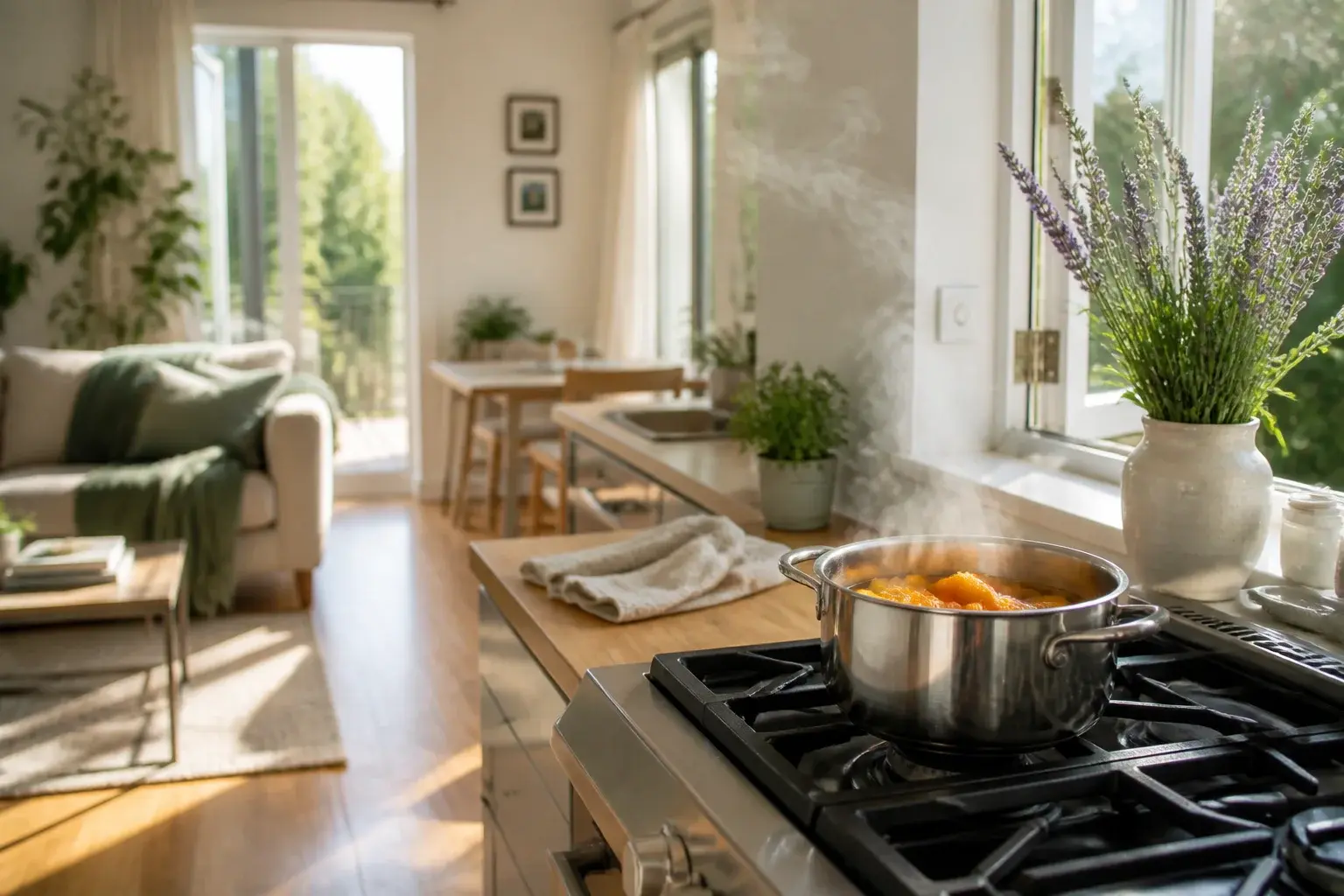
– Open-concept advantage: simmering citrus peels on the stove for 10–15 minutes can freshen the air without chemicals.
– Plants aren’t just décor; some help with scent and air quality. Try lavender, eucalyptus, or rosemary near windows.
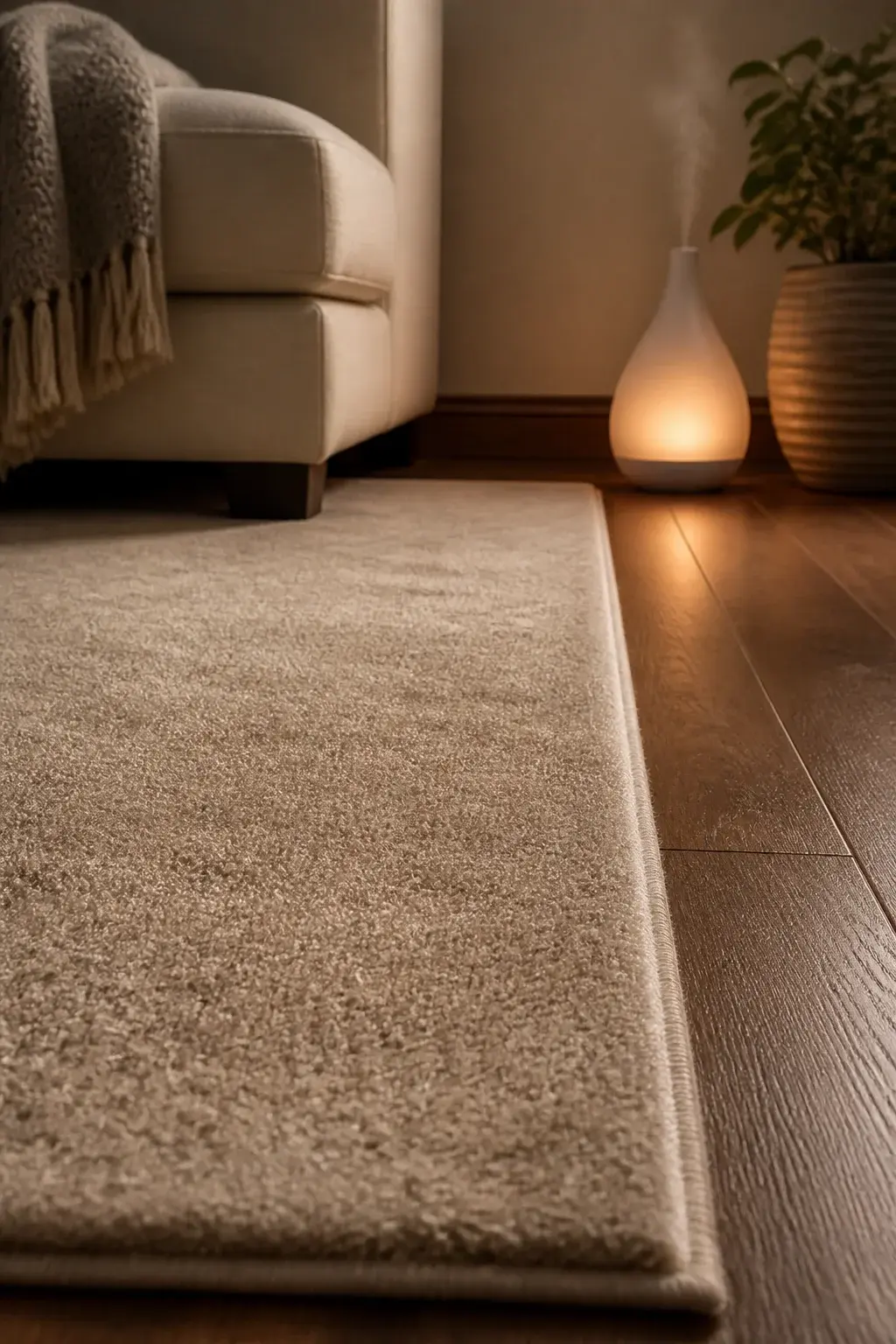
– Essential oils are your friends—but use them sparingly. A couple of drops in a diffuser is plenty.
Diffuser Do’s and Don’ts
– Do mix scents lightly. A lemon-ginger combo can be uplifting; don’t mix every vibe you own.
– Don’t saturate rooms. Strong scents can trigger headaches or itchiness.
– Do wash diffusers every week to prevent mold and a gnarly old aroma.
Kitchen and Living Room: Smells That Last Without Negativity
The kitchen is almost guaranteed to be the main odor source if you cook in it. Here’s how to keep it friendly.
– Keep surfaces clean and dry after cooking. Food smells stick less when you wipe down with a splash of vinegar water.
– Use a fan or vent hood while cooking; crack a window if you can.
– Store groceries properly; odors travel fast via plastic bags and open containers.
- Simmering tricks: a few citrus peels or cinnamon sticks in water can add warmth without heaviness.
- Replace old sponges and sanitize cutting boards regularly.
- Move trash and compost to an outside bin ASAP after meals.
Stove-Top Fresheners You Can Actually Use
– Citronella isn’t just for summer candles; a small pot of citrus peels lightly simmering can be delightful.
– Spices such as cinnamon and star anise create cozy vibes without cloying sweetness.
– FYI: avoid overpowering vinyl or plastic odors from new cookware by giving them a quick wash before use.
Textiles and Soft Surfaces: The Hidden Odor Reservoirs

Soft surfaces soak up smells like sponges. If you ignore them, your apartment will smell like last week’s groceries.
– Wash curtains, cushion covers, and blankets on a regular cycle.
– Swap out heavy textiles for lighter options if you’re going for a breezy vibe.
– Let fabrics breathe in fresh air before putting them back in rooms.
Easy Cleaning Rhythm
– Schedule a 20-minute textile refresh every two weeks.
– Use a fabric spray with a light scent or run a quick steam cycle where possible.
– Rotate pillows and throws to keep scents even across the space.
Smart, Subtle Scents: Candles, Sprays, and Beyond
Candles and sprays feel like a luxe upgrade, but subtlety matters here.
– Choose clean-burning candles with soy wax and simple scents: citrus, vanilla, or fresh linen.
– Use room sprays sparingly. One spritz goes a long way; avoid spraying directly on furniture or fabric unless it’s flame-free spray.
– Consider air purifying solutions: activated charcoal or bicarbonate baking soda left in shallow bowls can absorb odors over time.
Safety and Sensitivity Notes
– Never leave burning candles unattended. If you have pets or kids, that’s a red flag you want to avoid.
– Test a small area first with sprays to ensure no staining or discoloration.
– If you’re sensitive to scents, opt for fragrance-free cleaning products and rely on natural methods.
Fridge and Trash: Odor-Fighting Habits That Actually Matter
Odors often start in the kitchen and leak into every room. Nail these routines and you’ll notice the difference.
– Empty the trash daily or use a closed bin with a tight lid.
– Place a small baking soda box or a deodorizing tablet in the trash can and fridge to neutralize smells.
– Clean the fridge weekly with a mild baking soda solution and wipe dry.
DIY Deodorizers That Aren’t Overkill
– A bowl of white vinegar in the fridge can neutralize odors without leaving a scent.
– Charcoal briquettes (clean, unused) can absorb smells when placed in a breathable container.
– Ground coffee can be used sparingly to mask lingering smells—just don’t overdo it, or you’ll start smelling like breakfast every afternoon.
Personal Habits That Make a Big Difference
Your own routine matters more than you might think. Small daily actions compound over time.
– Open windows for 10–15 minutes daily to circulate air—yes, even in winter if it’s safe.
– Avoid smoking indoors or using heavy chemicals; they linger and taint the entire space.
– Do a quick afternoon wipe-down of surfaces if you’ve cooked strong-smelling meals.
House Rules You Can Actually Follow
– Create a “smell schedule” that fits your lifestyle (e.g., diffuse in the evening, freshen textiles on Sundays).
– Keep a stash of cleaning wipes handy for quick mid-day refreshes.
– Have a go-to routine for guests: a quick spritz on entry and a final check before they arrive.
FAQ
How often should I deep clean to keep smells from building up?
A good baseline is a full deep clean every 2–4 weeks, depending on activity. Do a lighter touch weekly: wipe counters, empty trash, and launder textiles. FYI, consistency beats massive scrubs every once in a while.
Are coffee grounds or vinegar really effective for odor control?
Yes to both, in the right contexts. Vinegar neutralizes many smells and works as a mild cleaner. Coffee grounds absorb strong odors but can leave a coffee scent, which some people love and others don’t. Use sparingly and avoid placing them near food prep areas.
Can I use air fresheners in small apartments?
You can, but be careful. Strong aerosols can irritate eyes and lungs in tight spaces. Opt for diffusers or light sprays, and ventilate after use. If you’re sensitive, stick to natural methods like citrus peels or herbs.
What about pets? Do they change the game?
Pets bring their own smells, obviously. Regular grooming, washing blankets they use, and cleaning litter areas frequently make a big difference. Use pet-safe products and maintain good ventilation.
What’s the quickest way to freshen a room before guests arrive?
Open a window for a few minutes if possible, turn on a diffuser with a light scent, and do a quick surface wipe-down. A fresh-smelling room creates a warm first impression without overwhelming the senses.
Conclusion
Getting your apartment to smell good isn’t about blasting overpowering fragrances every corner. It’s about steady habits, smart cleaning, and a few well-chosen scents that feel welcoming rather than shouty. Treat smells like a friendly guest who never overstays their welcome. With these tips, your space can feel fresher, brighter, and somehow more apartment-y in the best way possible. If you’re ever unsure, start small: one room, one method, and see how it shifts the vibe. You’ve got this—IMO, your future self will thank you. FYI, a little consistency goes a long way.